Florencia Antonia Toro Sanchez
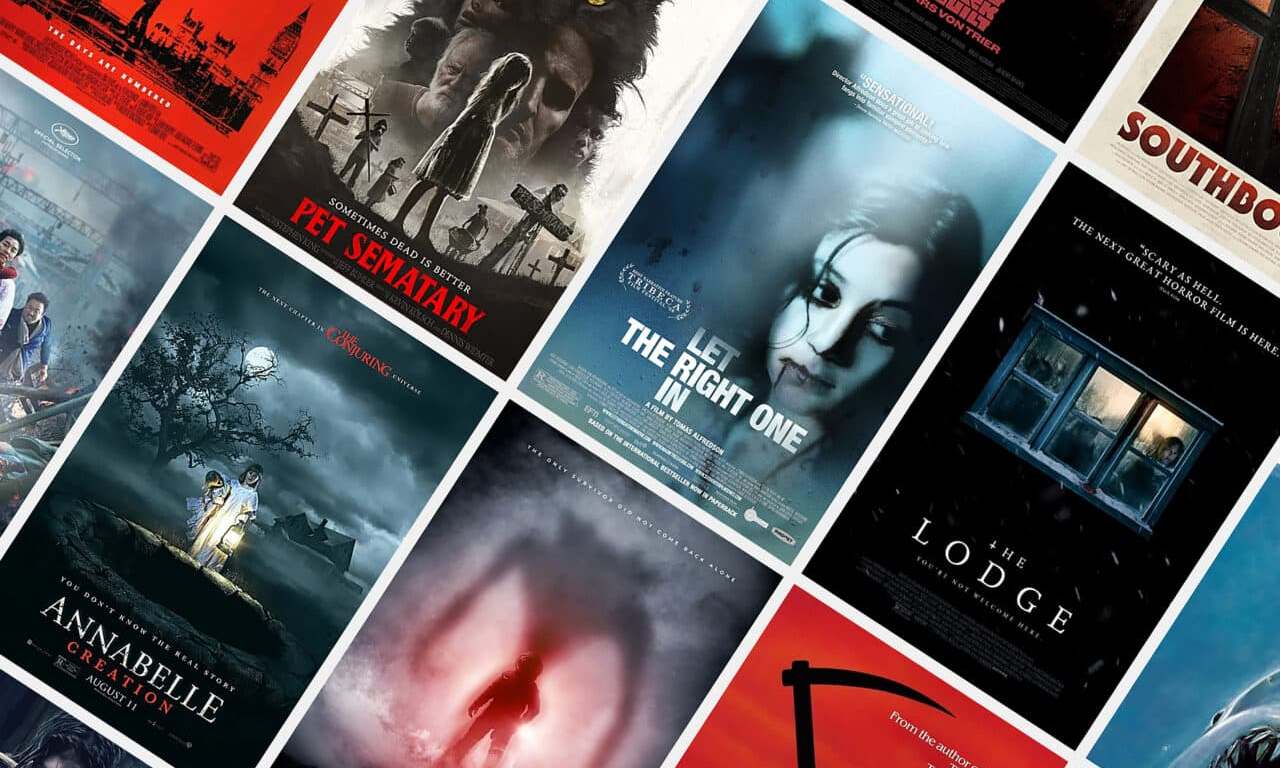
Horror movies have always been a big part of entertainment, but they haven’t stayed the same over time. The way people experience fear has changed a lot, and cinema has evolved with it. What scared people 100 years ago is very different from what scares us today. In the past, horror focused more on monsters and supernatural creatures, but now it often explores deeper and more psychological fears. This evolution shows how horror movies reflect the thoughts, worries, and culture of each generation, almost like a mirror of society’s fears at different moments in history.
Gothic Horror Origins
At the beginning, horror cinema was heavily influenced by Gothic literature. Stories were usually set in dark, mysterious places like castles, forests, or abandoned buildings. The fear
came from the unknown and from supernatural beings that people couldn’t fully understand. Movies like Dracula showed vampires as powerful and terrifying creatures, while stories like Frankenstein explored the dangers of science and playing with life. These early horror stories were simple, but they worked really well because they used basic human fears, like fear of death, darkness, isolation, and the unknown. Also, the filmmakers at that time didn’t have advanced technology, so they relied a lot on shadows, silence, and music to create tension. This made the atmosphere one of the most important parts of horror.
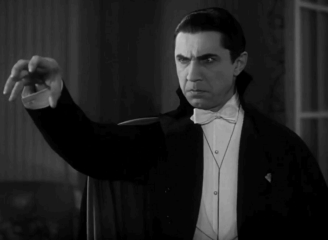
Dracula (1931): A classic symbol of Gothic horror and fear of the supernatural.
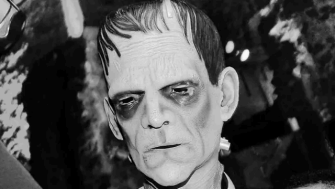
Frankenstein’s monster: An icon of Gothic horror and the fear of human creation.
Mid-Century Shift: Human Fear and Reality
As time passed, horror started to change and become more connected to real life. In the mid-20th century, filmmakers began focusing less on monsters and more on human fears. Instead of supernatural creatures, the danger often came from other people, which made it feel more realistic and disturbing. A great example of this is Psycho, which shocked audiences by showing that a normal looking person could actually be dangerous. This idea changed horror completely because it made people realize that fear doesn’t always come from something unreal, it can come from everyday situations.
The Slasher Era: Fear as Entertainment
During this time, slasher films also became popular. These movies usually included a killer who chased victims, creating suspense and tension. Even though some of these films focused a lot on violence, they were still very successful because they gave audiences a sense of excitement and adrenaline. People started watching horror not only to feel scared, but also for the thrill and entertainment. This period helped horror become more mainstream and reach a wider audience, especially teenagers and young adults.
Later on, horror movies became even more intense and visually shocking. With better technology, filmmakers could create more realistic effects, including blood, injuries, and creatures that looked more believable. Jump scares also became very common, where something suddenly appears or makes a loud noise to scare the audience. While these techniques were effective, some people started to feel that horror was becoming too focused on cheap scares instead of meaningful stories. Still, this phase was important because it showed how technology could change the way horror is experienced.
Modern Psychological Horror
In recent years, horror has evolved again, this time focusing more on psychological elements. Instead of relying only on jump scares or violence, modern horror movies explore the human mind and emotions. They deal with topics like trauma, anxiety, identity, and fear of losing control. A movie like Get Out is a perfect example of this new style. It mixes horror with social issues like racism, making the story deeper and more impactful. These films don’t just try to scare you for a few seconds,they make you think and sometimes even feel uncomfortable long after the movie ends.
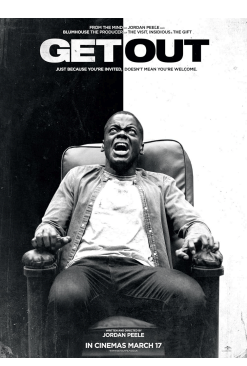
Get Out (2017) is a movie, considered a modern update of horror, shifting fear toward psychology and social themes.
Another important aspect of modern horror is symbolism. Many films now include hidden meanings and messages about real life problems. For example, a monster might represent fear of society, or a haunted house could symbolize personal trauma. This makes horror more complex and interesting, especially for viewers who like to analyze movies. It also
shows that horror is not just about fear, but about understanding deeper issues in a creative way.
The evolution of horror cinema is also closely connected to changes in society. As people face different challenges, their fears change, and movies reflect that. For example, during times of war, horror films often focused on destruction and survival. But in more modern times, with the rise of technology and social issues, horror movies explore themes like isolation, identity, and mental health. This connection between society and horror is one of the reasons why the genre never becomes outdated.
Technology and Modern Filmmaking
Technology has also played a huge role in shaping horror cinema. In the past, filmmakers had to rely mostly on creativity because they didn’t have many tools. Today with CGI, advanced sound design, and high quality visuals, they can create very realistic and immersive experiences. However, many directors understand that technology alone is not enough because a good story and strong characters are still the most important elements of a successful horror film. That is why some modern movies combine both: strong storytelling and impressive visual effects.
Changing Audiences and Expectations
Another interesting point is how audiences have changed. People today are more used to horror, so it takes more creativity to actually scare them, what was terrifying decades ago might seem simple or even boring now. Because of this, filmmakers are always trying new ideas and styles to keep the genre fresh. This constant experimentation is what keeps horror evolving and prevents it from becoming repetitive.
Final Reflections
In conclusion, horror cinema has gone through many changes, from its Gothic origins to the psychological thrillers we see today. It has moved from simple stories about monsters and supernatural beings to complex narratives that explore the human mind and real-world issues. Even though the style, technology, and themes have changed, the main purpose of horror remains the same: to make people feel fear. What makes horror so interesting is its ability to adapt to each generation, showing that as long as humans have fears, horror movies will continue to evolve and remain an important part of cinema.
References:
Newman, K. Nightmare Movies: Horror on Screen Since the 1960s. Tudor, A. Monsters and Mad Scientists: A Cultural History of the Horror Movie.
Skal, D. J. The Monster Show: A Cultural History of Horror.
Clover, C. J. Men, Women, and Chain Saws: Gender in the Modern Horror Film. Nowell, R. Blood Money: A History of the Slasher Film Cycle. Benshoff, H. M. A Companion to the Horror Film.
Films references:
The Cabinet of Dr. Caligari, Dracula, Frankenstein, Psycho, Get Out

