Salvador Mateo 10-I
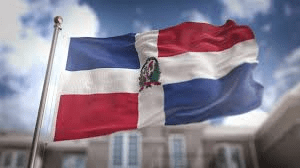
When people talk about the Dominican Independence Juan Pablo Duarte is always on the spotlight, the main component, the main character, but a lot of factors are left on the backstage and are barely talked about
When people talk about Dominican Independence, Juan Pablo Duarte is almost always placed in the spotlight. He is remembered as the father of the nation and the central figure who led the dream of a free Dominican Republic. His vision, leadership, and patriotic ideas are essential parts of the country’s history. However, focusing only on Duarte can sometimes cause other important elements of Dominican Independence to be overlooked. Behind the well-known story are many other people, movements, and circumstances that played crucial roles in achieving independence in 1844.
One of the most important overlooked aspects is the role of the secret society known as La Trinitaria. Duarte founded this group in 1838 along with eight other patriots who shared his vision of a free Dominican nation. Members such as Francisco del Rosario Sánchez and Ramón Matías Mella helped spread revolutionary ideas and organize resistance against Haitian rule. While Duarte inspired the movement, these figures were essential in turning ideas into action. Sánchez later declared independence at the Puerta del Conde on February 27, 1844, and Mella is remembered for firing the famous “Trabucazo,” a symbolic gunshot that marked the start of the revolution. Without their leadership and courage, the independence movement might not have succeeded. (Krystian, 2024)
Another overlooked side of Dominican Independence is the participation of ordinary citizens. Many farmers, workers, merchants, and community members supported the cause in different ways. Some provided resources, shelter, or information to the revolutionaries, while others participated directly in battles and uprisings. Independence was not only the work of a few famous leaders; it was also the result of collective effort from many Dominicans who believed in the idea of national freedom. Their contributions often go unnoticed in textbooks, but they were vital to sustaining the movement.
The historical context leading up to independence is also frequently simplified. Before 1844, the eastern part of the island was under Haitian rule for 22 years, beginning in 1822. During this period, political, economic, and cultural tensions grew among many inhabitants of the region. These tensions encouraged the development of a Dominican national identity that differed from Haitian governance. The independence movement was therefore not just a single event but the result of years of social and political change that gradually pushed people toward the goal of self-government. (Don Quijote.org, 2026)
Another factor that deserves more attention is the influence of international ideas. During the early 19th century, many countries in Latin America were fighting for independence from colonial powers. These revolutionary movements inspired Dominican patriots who believed that their nation also deserved freedom and sovereignty. Duarte himself was influenced by liberal political ideas that promoted democracy and national independence. These global influences helped shape the vision of a Dominican Republic based on liberty and self-determination.
Internal conflicts among Dominican leaders are another rarely discussed aspect of independence. Even though many leaders shared the same goal of freedom, they often disagreed on how the new nation should be governed. Some favored a strong centralized government, while others supported democratic reforms. There were also debates about whether the Dominican Republic should seek protection from foreign powers such as Spain or France. These disagreements show that independence was not a perfectly unified movement but a complex process involving different political opinions and strategies.
Women’s contributions to the independence movement are also frequently overlooked. Although historical records often focus on male leaders, many women supported the revolutionary cause. They acted as messengers, organized gatherings, and provided support for the fighters and their families. Women helped maintain communication networks and protect important information during dangerous times. Their efforts demonstrate that independence was a shared responsibility across Dominican society, even though their roles have not always been fully recognized in historical narratives.
The struggles that followed independence also highlight another overlooked reality: gaining freedom was only the beginning. After 1844, the Dominican Republic faced numerous challenges, including military conflicts, political instability, and economic difficulties. Haiti attempted several invasions to regain control of the territory, and internal political divisions made it difficult to establish a stable government. These early struggles show that independence required continuous effort to protect and maintain national sovereignty. (Remitly, 2026)
Recognizing these overlooked aspects does not reduce the importance of Juan Pablo Duarte. Instead, it provides a more complete and balanced understanding of Dominican history. Duarte’s vision inspired the movement, but independence was achieved through the efforts of many individuals and historical forces working together. By remembering the contributions of other leaders, ordinary citizens, women, and broader social influences, we can better appreciate the complexity of the Dominican struggle for freedom.
In conclusion, the story of Dominican Independence is much richer than the single narrative often told. While Duarte remains a central and heroic figure, the success of the independence movement depended on teamwork, social support, and historical circumstances. Exploring these overlooked elements allows us to understand that independence was not the achievement of one person alone, but the result of a collective national effort that shaped the Dominican Republic we know today.
References:
(Krystian, 2024.) https://samana-group.net/history-of-the-independence/
(Don Quijote.org, 2026.)https://www.donquijote.org/dominican-culture/holidays/dominican-independence-day/
(Remitly, 2026.)https://www.remitly.com/blog/lifestyle-culture/dominican-independence-day/
 The Bulldogs' Journal