Salvador Mateo 10-I
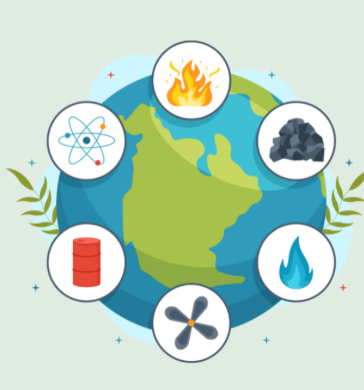
When people analyze modern global politics, they tend to focus on governments and international conflicts, but the resources that fuel economies and technologies play a big role as well.
When people talk about global politics, they often focus on diplomacy, military power, or ideological conflicts between nations. However, one of the most influential forces shaping international relations is often less visible: natural resources. Throughout modern history, access to valuable resources such as oil, gas, minerals, and rare earth elements has played a crucial role in shaping alliances, conflicts, and economic power. These resources do not only fuel economies; they also influence the balance of power between nations and determine which countries hold strategic advantages in global politics.
Natural resources have long been a driving force behind geopolitical competition. Countries with large reserves of valuable resources often gain economic and political influence, while nations that lack them may depend heavily on imports. For example, oil has been one of the most strategically important resources since the 20th century. Nations rich in oil, particularly in the Middle East, have become central players in global energy markets. Their control over oil supplies allows them to influence global prices and maintain significant geopolitical importance. At the same time, countries that rely heavily on oil imports must develop diplomatic relationships and trade agreements to ensure a stable supply of energy.
Beyond oil, many other resources have become essential for modern industries and technologies. Minerals such as lithium, cobalt, nickel, and rare earth elements are critical components in batteries, electronics, and renewable energy technologies. These materials are necessary for producing electric vehicles, smartphones, wind turbines, and solar panels. As the global economy transitions toward cleaner energy and advanced technologies, the demand for these resources continues to grow rapidly. As a result, countries that control large reserves of critical minerals are gaining strategic importance in international politics. (Diplo, 2025)
The competition for natural resources has also contributed to conflicts and political instability in certain regions. In some parts of the world, the discovery of valuable minerals or energy resources has intensified competition between governments, corporations, and armed groups. In extreme cases, resource wealth can lead to corruption, inequality, and violence. This phenomenon is sometimes referred to as the “resource curse,” where countries rich in natural resources experience political instability rather than economic prosperity. According to research on global resource competition, the growing demand for critical minerals used in modern technologies has increased tensions in regions where these resources are located. (Global Witness, 2025)
Control over natural resources also affects international alliances and diplomatic strategies. Nations often seek partnerships with resource-rich countries to secure access to essential materials. For example, major economic powers frequently invest in mining operations or infrastructure projects in regions that contain valuable mineral deposits. These investments allow countries to strengthen supply chains and reduce their dependence on competitors. As global demand for technology and clean energy grows, competition for these resources is expected to become even more intense.
Another major geopolitical factor related to natural resources is the global transition to renewable energy. As countries attempt to reduce carbon emissions and address climate change, they are shifting away from fossil fuels toward renewable energy sources such as solar and wind power. While this transition reduces dependence on oil and gas, it also increases the importance of other critical materials needed to build renewable energy technologies. Solar panels, wind turbines, and battery storage systems all require large amounts of specialized minerals. Because these materials are unevenly distributed around the world, the energy transition is creating new geopolitical dynamics and competition among nations. (IRENA)
In addition, natural resources influence global trade networks and supply chains. Many modern industries rely on materials that must be transported across multiple countries before they reach manufacturers. If supply chains are disrupted due to political tensions, trade restrictions, or conflicts, the effects can be felt across the global economy. For this reason, governments are increasingly concerned with securing reliable sources of critical resources and diversifying supply chains to reduce vulnerability.
Natural resources also shape national strategies for economic development. Countries rich in resources often attempt to use their natural wealth to strengthen their economies, build infrastructure, and increase international influence. However, managing these resources responsibly is essential for long-term stability. Governments must balance economic growth with environmental protection and fair distribution of wealth among their populations.
Looking toward the future, the geopolitical importance of natural resources is likely to increase rather than decrease. As technology advances and the demand for energy and materials continues to grow, countries will compete to secure access to the resources needed for innovation and development. At the same time, international cooperation will remain necessary to prevent conflicts and ensure sustainable resource management.
In conclusion, natural resources have played a fundamental role in shaping modern global politics. From oil and gas to critical minerals used in advanced technologies, control over valuable resources influences economic power, diplomatic relationships, and international conflicts. Understanding the geopolitical importance of natural resources helps explain why nations compete for access to them and why these materials remain central to global political strategies. As the world continues to evolve technologically and economically, natural resources will remain one of the key factors shaping the future of international relations.
References:
(Diplo, 2025.) https://www.diplomacy.edu/blog/the-geopolitics-of-critical-raw-materials-who-controls-the-future/
(Global witness, 2025.)https://globalwitness.org/en/campaigns/transition-minerals/the-critical-minerals-scramble-how-the-race-for-resources-is-fuelling-conflict-and-inequality/
(Irena)https://www.irena.org/Digital-Report/Geopolitics-of-the-Energy-Transition-Critical-Materials
 The Bulldogs' Journal