Xueyi Feng 11-II (02/22/2026)
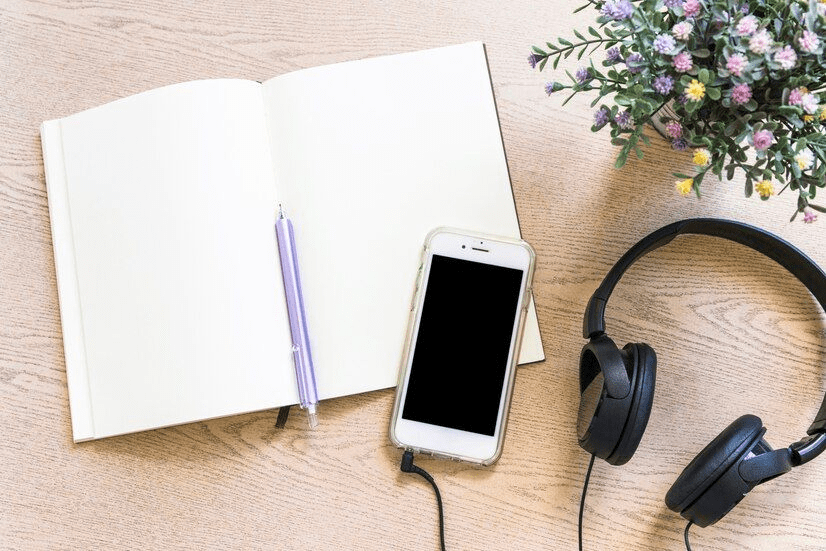
Audiobooks have become a noticeable part of today’s publishing market. In many bookstores and online platforms, new titles are released in audio format at the same time as print and e-books. According to the Pew Research Center, a growing number of adults report listening to audiobooks each year, especially younger readers. Industry reports also show steady increases in audiobook sales over the past decade. With this growth, a common question appears: are audiobooks replacing traditional reading?
One reason audiobooks are becoming more popular is convenience. Listening does not require sitting still or holding a book. People can listen while driving, exercising, or doing chores. For readers with limited free time, this flexibility makes finishing books easier. Instead of choosing between reading and daily tasks, they can combine both. Someone might listen during a commute in the morning or while cleaning the house. In this way, audiobooks fit easily into everyday routines.
Technology has also made access simpler. Smartphone apps allow users to download books instantly. Subscriptions provide large libraries at fixed monthly prices. Compared to visiting a bookstore or library, audio platforms feel convenient and portable. With just a phone and headphones, listeners can carry dozens of books wherever they go. This level of convenience helps explain why audiobooks have grown so quickly in recent years.
However, print books remain widely used.The Pew Research Center reports that print is still the most common reading format among adults. While digital options are expanding, most readers continue to read physical books at least occasionally. This suggests that audiobooks are growing alongside print rather than replacing it entirely. For many people, holding a physical book still feels familiar and comfortable.
Another issue people discuss is comprehension. Some research comparing audio and print formats suggests that understanding can vary depending on the type of material and the reader’s habits. A study available through CloudFront indicates that format may influence how deeply information is processed, particularly for complex or academic texts. For entertainment reading, the difference may be smaller. For studying or detailed analysis, many readers still prefer print. When people read a printed page, they can pause, reread sentences, or take notes more easily.
There is also a difference in experience. Listening to an audiobook introduces a narrator’s voice, tone, and pacing. Some listeners enjoy this performance element because it adds emotion and personality to the text. A discussion on the Stieg Larsson website notes that audiobooks can feel more like storytelling, while print reading remains a quiet and personal activity. In print, readers imagine voices and rhythms on their own. In audio, interpretation is partly shaped by the narrator. Some narrators even perform different voices for different characters, which can make the story feel more dramatic.
Media habits also influence format choice. Many people now consume information through podcasts and streaming platforms. Audiobooks fit naturally into that pattern. Instead of sitting down with a book, listeners use headphones in the same way they would for music or podcasts. This shift reflects broader changes in how people use technology. As daily life becomes more connected to digital devices, listening has become a natural extension of those habits.
At the same time, physical books continue to hold cultural value. Bookstores, libraries, and literary awards still center heavily on print. Hardcover releases remain important in the publishing industry. New books are often promoted first through physical editions before expanding into other formats. If audiobooks were truly replacing traditional reading, print sales would likely show a sharp decline. Current data does not support that conclusion.
Instead of replacement, the trend looks more like expansion. Audiobooks allow access in situations where print is less practical. Print books offer focus and visual engagement that some readers still prefer. Many people move between formats depending on context. They may listen during a commute and read before bed. Others may start a book in audio and later continue reading it in print.
So are audiobooks replacing traditional reading? The evidence suggests that they are not. They are changing how books are consumed, but they are not eliminating print. Reading today exists in multiple formats, each serving different needs. Some readers prefer the quiet concentration of a printed page, while others enjoy the flexibility of listening.
As long as people value stories and information, both listening and reading will continue to play a role. The format may evolve as technology changes, but the basic desire to engage with books remains steady. Whether through headphones or printed pages, stories continue to reach readers in many different ways.
Reference:
- Good eReader. (n.d.). Audiobooks are on the rise: Does that mean traditional reading is fading away? https://goodereader.com/blog/audiobooks/audiobooks-are-on-the-rise-does-that-mean-traditional-reading-is-fading-away
- Pew Research Center. (2021, December 16). Americans and print books. https://www.pewresearch.org/internet/2021/12/16/americans-and-print-books/
- Research PDF. (n.d.). [PDF from CloudFront]. https://d197for5662m48.cloudfront.net/documents/publicationstatus/269810/preprint_pdf/bfe5dcb5b4f27c7023f3599efc8998fe.pdf
- StiegLarsson.com. (n.d.). Reading vs audiobooks. https://stieglarsson.com/reading-vs-audiobooks/
 The Bulldogs' Journal