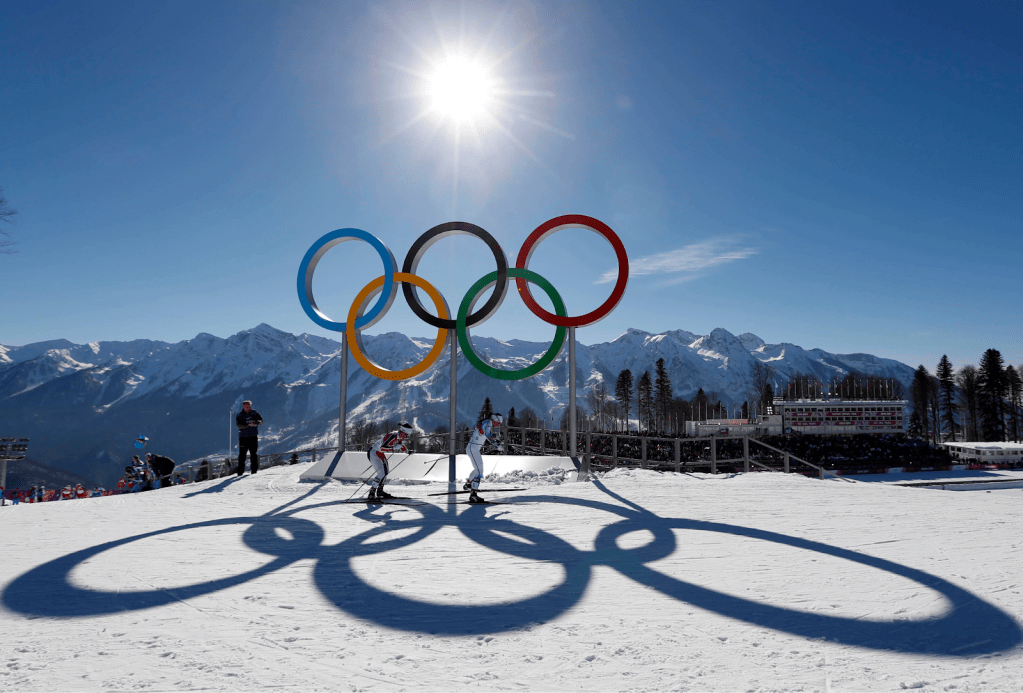
The Winter Olympics, for decades, have been considered an exclusive international event dominated by athletes from affluent and predominantly white nations with access to snow, ice, and expensive training resources. Sports like alpine skiing, bobsled, speed skating, and figure skating are associated with structural inequalities based on geography, race, and socioeconomic status. However, as the 2026 Winter Olympics are approaching, a new phenomenon is being observed. The presence of athletes from diverse racial, ethnic, and national backgrounds is redefining the traditional perceptions of winter sports. The 2026 Winter Olympics are a symbol of change, emphasizing the role of diversity and inclusion in redefining the international identity of winter sports.
Traditionally, winter sports have been out of reach for most communities, especially because of the cost and infrastructure requirements. To train for Olympic-level winter sports, one needs access to ice rinks, mountains, specialized equipment, and coaches, which requires significant financial investment. This has, over time, resulted in the Winter Olympics being linked to a narrow image of athleticism. However, in the past few years, international and national bodies have started to invest in outreach programs to bring the sport to more people and identify talent from underrepresented communities, and this is now bearing fruit as more athletes from underrepresented communities qualify for the most prestigious international winter sports tournament in the world.
One of the most visible signs of change is the increasing racial diversity in the participants. Athletes of color have become more prominent in winter sports that were previously inaccessible to them. Sports like speed skating, snowboarding, and freestyle skiing have become avenues for increased participation due to their lower costs compared to sports like alpine skiing and ice hockey. Athletes like Erin Jackson, who broke barriers for black women in speed skating, have paved the way for a new generation of athletes to recognize winter sports as spaces where they belong. Come the 2026 Winter Olympics, these trailblazers will no longer be the exception, but rather the norm in a more diverse group.
Geographic diversity is also increasing. Countries from Africa, the Caribbean, the Middle East, and Southeast Asia are becoming more represented at the Winter Games. Countries such as Jamaica, Nigeria, and the Philippines have invested in the development of their own winter sports programs despite the fact that these countries have no snow. In some instances, these athletes may not be competing for the medals. However, the fact that they show up at the Winter Games is enough to prove that the Winter Games are not exclusive to a select group of countries. The 2026 Olympics is an opportunity for this to be normalized and for the determination and dedication that these athletes show to be honored.
Gender diversity and inclusion are also influencing the contemporary Winter Olympics. The number of female participants has gradually increased, with more events being included to ensure gender equity in various fields. Furthermore, discussions about inclusivity for non-binary and transgender athletes have encouraged sports bodies to review their policies on eligibility and fairness. Although these issues are still complex and contentious, the openness to discuss them is indicative of a commitment to making the Olympic movement more inclusive. The 2026 Olympics will probably continue to be a laboratory for the international sports community to understand changing notions of gender identity while ensuring fairness.
The role of media representation in winter sports has been critical in either perpetuating or combating stereotypes. Traditionally, media representation has emphasized medal contenders from powerful nations. However, in recent times, there has been a shift in media representation in winter sports, with stories of perseverance, cultural pride, and first-time participants gaining traction. Such stories capture the imagination of a global audience and have a positive impact on widening interest in the Winter Olympics. Media representation of the 2026 Games has a great opportunity to encourage participation in winter sports beyond elite competition.
The importance of diversity in the 2026 Winter Olympics goes beyond the level of symbolism. Representation matters in terms of access, funding, and the development of sports at the grassroots level. If kids look around at the Winter Olympics and see people who look like themselves, the level of psychological engagement is increased. Funding will also be increased for programs that show the level of inclusiveness and global representation. This can create a cycle in which diversity leads to growth, competitiveness, and innovation in winter sports.
However, there are challenges that exist within this new wave. Athletes from underrepresented groups continue to face a lack of funding and training opportunities. There is a continued gap between those who participate and those who reach the podium. This gap is a reflection of a broader inequality within international sports. Symbolic inclusion is not enough; there needs to be a commitment to change. In order for the 2026 Winter Games to be a step forward, there needs to be a commitment to long-term strategies.
Ultimately, the 2026 Winter Olympics symbolize a critical point in the development of winter sports. They exemplify the fact that diversity and representation are no longer secondary issues but primary to the Olympic ideal. As athletes of diverse backgrounds compete on the global stage, they reshape the definition of excellence in winter sports. Although the path to complete inclusion is still long, the course is set. The Winter Olympics are becoming more international, more representative, and more indicative of the world they seek to bring together. In this way, the 2026 Winter Olympics may have a legacy that transcends medals, redefining winter sports for the future.
Sources:
REYNOLDS, T. (2026, January 15). Diversity still a major issue at the Winter Olympics. The U.S. is making some strides. Columbia Missourian. http://columbiamissourian.com/sports/other_sports/diversity-still-a-major-issue-at-the-winter-olympics-the-u-s-is-making-some/article_28d836d9-b5df-5624-bc9a-02e2fb237a07.html?mode=nowapp
Press, A. (2026, January 30). Europe’s Rising Diversity is not Reflected at the Winter Olympics. Culture Plays a Big Role. The San Diego Voice & Viewpoint; The San Diego Voice & Viewpoint. https://sdvoice.info/europes-rising-diversity-is-not-reflected-at-the-winter-olympics-culture-plays-a-big-role/
Figueroa, F. (2026, February 2). Programs aim to diversify winter sports, but gaps persist at Winter Olympics. AP News. https://apnews.com/article/winter-olympics-diversity-64ac242868fde45d506e9cd75e5214ba
 The Bulldogs' Journal