By Analía Perez
People usually see autobiographies as personal diaries for household names, revolutionary leaders, or people who’ve gained traction by facing unpleasant things during an unpleasant period of time. In truth, autobiographies are much more than that, they’re bridges, connecting us to lives we’ll never live, struggles we’ll never face, and truths we’d never otherwise understand. Despite this, it’s unusual for autobiographies to gain any traction unless they’re one of the following, which usually tends to tarnish the reputation of the autobiography-genre. Autobiographies are usually only reduced to their fame, and with this generalization in mind, most people have grown a disdain or indifference for them. Autobiographies are considerably one of the most impactful literary genres there is, unlike narrative stories, they refrain from focusing on fictional lives and allow us to see real experiences through the eyes of the author, they provide a form of human connection unseen by any other literary medium, people often argue about the lack of thrill found in these memoirs, and how something so monotonous can bore audiences, but human lives can be more inspiring than fictional ones, they share real-life events that can be accounted for, and despite not having the flair of a fantastic fantasy following the chronicles of a hero’s grand adventures, they still follow a story, a real one, grounded of flesh and bone.
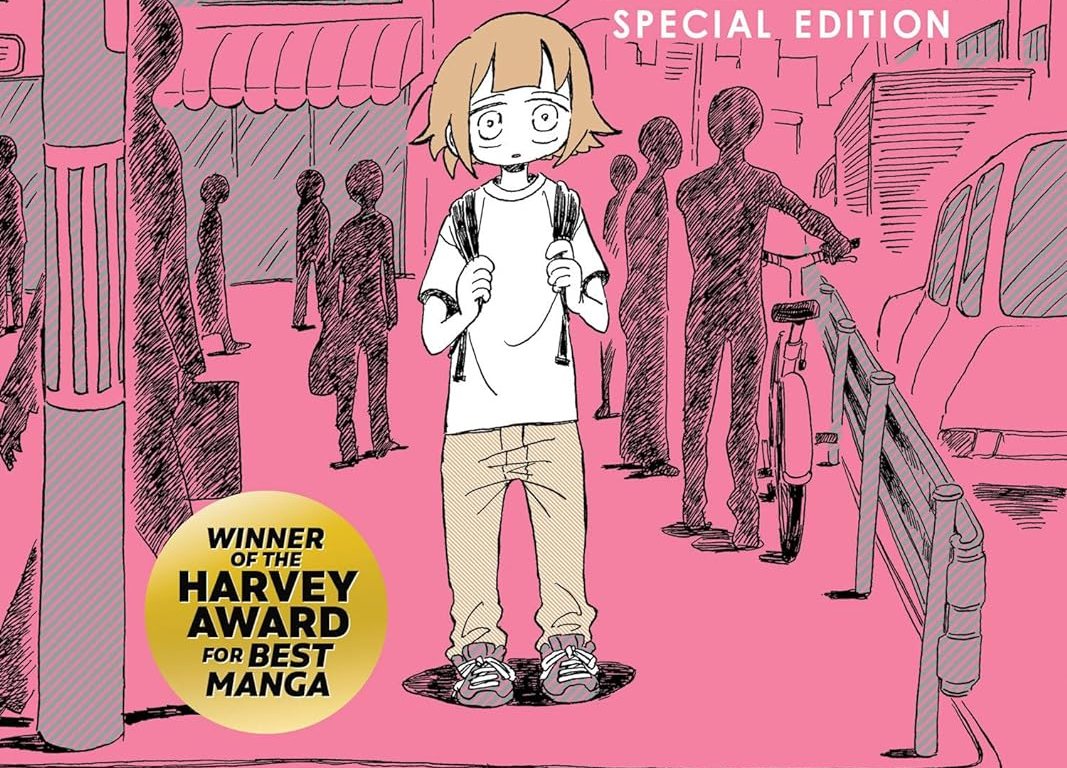
For instance, Kabi Nagata, a Japanese autobiographical author, has been covering her journey through mental health since 2016, beginning with what could be considered, her most notable work “My Lesbian Experience with Loneliness”. Without any fame or spectacle, Nagata covers the ugliest parts of her life through her art, her willingness to express shame, guilt, and doubt throughout her life sparks human connection through readers. Through simple, clear language, Nagata delivers a truth so forthright that it resonates deeply with readers. Among Nagata’s most powerful quotes is the following:
“Up until then, I’d never understood how people could just keep on living (…) Maybe I had a place to belong, but it wasn’t something definite, like a seat. It was flowing and formless… Perhaps inside of me, perhaps outside of me. A reason to live, the power to live, a place to belong in this world… I think the essence of that sweet nectar varies from person to person.”
Nagata’s work proves that autobiographies are not soulless records of events, but rather a medium of bonding, offering solace to readers and authors alike, their voices carry on through silent conversation. What makes Nagata’s works so humid is the humanity she presents throughout her narration, in contrast to the conventional autobiography, where the spotlight is often given to the famous, Nagata offers the voice of an ordinary human being. What also levels her humanity is her self-discovery through her works. The truth is, Kabi Nagata wasn’t always eager to write autobiographies, in fact, she expresses her discomfort in writing them during her 4th Novel “My alcoholic escape from reality” and states that she had no plans of making her ordeal an autobiography out of fear of her family’s disapproval and bad receptions from the public-eye.
It was rather her experience throughout the events of her book that made her discover her passion for memoirs, and her overall passion for placing bits of pieces of herself in her artistic works. And that small self-discovery has the power to awaken the same truth in others. Many people struggle artistically, not due to a lack of skill, but a lack of willpower, an itching feeling that, someone, somewhere, is disapproving of what they’re doing. Seeing someone with the same worries overcome their dread, to witness another overcome the very fears they share is often a great source of inspiration. Nagata often makes precarious and/or questionable choices, yet that is precisely why her story resonates. She is not a heroic knight, but a human being and in her humanity, we recognize ourselves and cheer her on.
Ironically, what made Nagata rediscover her washed-away love for memoirs, were other memoirs. It was the same human connection readers often recognize in her that led her to continue her passion for autobiographical Mangas. Because autobiographies, as previously stated, are bridges, they connect those who can perceive it. Humans are united by pain, united by the solace they seek. Even if the author or the writer is from different backgrounds, communities, ideologies, or the author is no longer present, the silent conversation will continue, a lasting form of human connection that only an autobiography and offer.
 The Bulldogs' Journal