By Nicole Mancebo, 10th grade.
In the day of digital content creation, YouTubers and streamers often go to big ends to grab the viewer’s eye. The competitive environment of content creation, psychological effects of social media, and financial rewards associated with fame are some of the causes of this phenomenon. Understanding the reasons that these creators do this allow us to recognize the as to why many creators act in provocative or outrageous ways.
Each day, the competition keeps growing, with millions of videos competing to draw the eyes of viewers on thousands of different topics, it’s hard to get noticed. Many who make videos feel pressure to create original, captivating content that has the potential to go viral, causing streamers and YouTubers to create outrageous or unusual videos that attract more viewers for the sole fact of being extreme or different, this pressure frequently results in offensive or inappropriate behavior. For example, some streamers have been known to make provocative remarks or act recklessly in order to get attention and clicks.
This competitive spirit fosters an atmosphere in which “doing something controversial/insane/outrageous” may work better than putting in the hours to create a masterpiece of a video. Because of this, many creators put attention-grabbing strategies ahead of content, which fosters a culture that rewards sensationalism and pushes good content to the side.
In early February 2021, a man was fatally shot filming a robbery “prank” video for his YouTube channel. The prank consisted of Mr Wilks and an accomplice dressing up in balaclavas and nondescript clothing and going up to people with big knives to get a reaction. After approaching a group of young adults, the YouTuber, was then shot by 23-year-old David Starnes Jr, who told police he had had no idea it had been a “prank” and had been acting in self-defense. No-one has been arrested over the death, however this proves just what extreme measures YouTubers have gone to, willing to participate in events that could result in emotional trauma, distress, hospitalizations, or even death in this case.
The psychology behind the nature of this attention-seeking in online environments is complicated. Likes, shares, and comments provide many YouTubers and streamers a dopamine boost that fuels what they do, it also promotes their channels to the YouTube algorithm, pushing it to more and more people. The more absurd the act, the more engagement it generates, which in turn promotes even more extreme behavior, creating a feedback loop. Any decline in viewership or engagement can cause them to feel unworthy and cause anxiety, this is most noticeable when streamers online presence becomes connected with their real life personality. In an attempt to get back the attention they’ve lost, this pressure frequently drives them to bizarre actions.
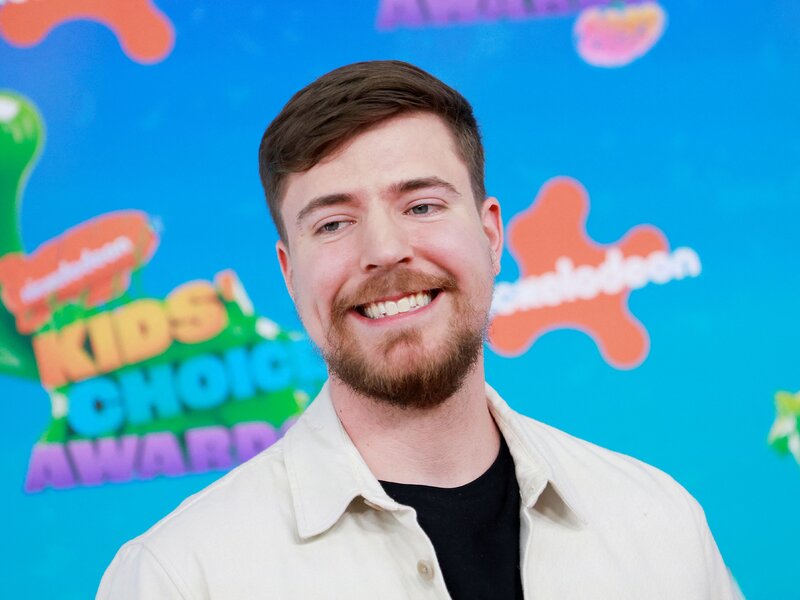
One of the main causes of YouTubers’ and streamers’ attention-seeking behavior is the money and financial aid. Numerous platforms offer monetary reward programs, which is the ability to make money from your videos, it is determined by viewership indicators like likes, subscriptions, and ad income. Creators sometimes quit their jobs and make creating content their full-time 9 to 5 job, which causes them to use any measures required to increase their engagement and to keep their lavish lifestyle. This frequently causes them to put dramatic material, clickbait headers, and controversial thumbnails ahead of a sincere audience engagement. For instance, in order to draw viewers, some streamers have been known to take advantage of delicate subjects or participate in disagreeable conversations or even bribe their viewers for money. This can be seen with the current controversy surrounding Mr. Beast, with Ava Kris Tyson being wrapped around a controversy of talking inappropriately to underage minors and Mr. Beast being aware of it the entire time. Also, he’s been accused of having rigged contests in his videos, running illegal lotteries and alleging deception towards fans. Within all of this controversy, Mr. Beast hasn’t responded to a single thing and continues making content as if nothing is wrong.
The actions taken by streamers and YouTubers who are trying to get attention are representative of larger patterns in the digital world. Sensationalism frequently reigns over quality in this environment due to a combination of financial incentives, psychological aspects, and competitive pressures. There is hope that a change toward authenticity and quality that values meaningful engagement over visual spectacle—will occur as viewers get more sensitive and picky about the information they consume. However, in the end, cultivating a culture that promotes responsible content creation while still permitting creativity and expression is essential as both artists and audiences navigate this complex environment.
Sources:
BBC News. (2021, February 8) YouTube robbery ‘prank’ ends in fatal shooting https://www.bbc.com/news/technology-55982131
Caplin News. (2024). Social media’s impact on content creators’ mental health: Includes multimedia content. https://caplinnews.fiu.edu/social-medias-impact-on-content-creators-mental-health-includes-multimedia-content/
Frontiers in Psychology. (2022). Effects of social media on mental health. https://www.frontiersin.org/journals/psychology/articles/10.3389/fpsyg.2022.951055/full
Integrative Psych. (n.d.). What about me effect: Exploring the psychology of social media behavior. https://www.integrative-psych.org/resources/what-about-me-effect-exploring-the-psychology-of-social-media-behavior
MDPI. (2023). The impact of social media use on psychology. https://www.mdpi.com/2071-1050/15/1/550
Slate. (2024). MrBeast, Beast Games controversy: Safety, dangerous scandal. https://slate.com/life/2024/08/mrbeast-beast-games-controversy-safety-dangerous-scandal.html
TechTarget. (2023). Effects of social media on mental health. https://www.techtarget.com/whatis/feature/Effects-of-social-media-on-mental-health
Time. (2023). MrBeast accusations explained. https://time.com/7010441/mrbeast-accusations-explained/
Twentify. (2023). The impact of social media use on psychology. https://www.twentify.com/blog/the-impact-of-social-media-use-on-psychology
 The Bulldogs' Journal