By Cely Reyes, 10th grade.
In the Dominican Republic, a tropical and subtropical Caribbean nation, dengue fever is a recurring public health concern. This article examines the prevalence of dengue, related risk factors, implemented preventive measures, and continued difficulties in managing this mosquito-borne illness, with an emphasis on epidemiology.
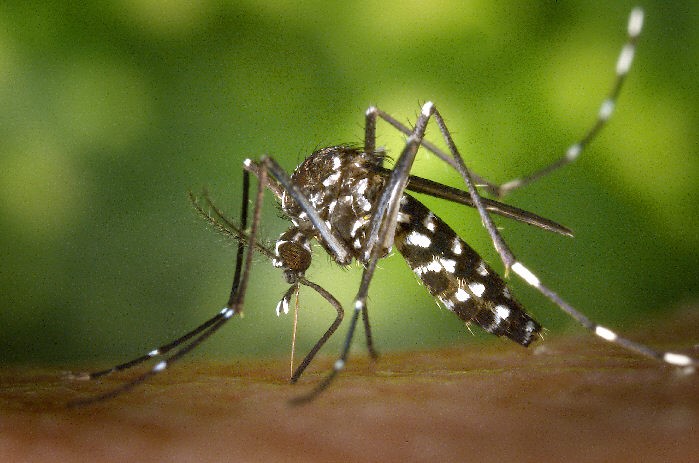
The Dominican Republic is no stranger to dengue, having had outbreaks there on several occasions. The Aedes mosquitoes that spread the dengue virus thrive in this country’s tropical climate, which is also a good place for mosquito reproduction. In the Dominican Republic, dengue is not always as common as it seems. Notable increases in the number of cases recorded usually occur during the rainy season, which is when mosquitoes multiply most. The nation has continuously recorded a sizable number of dengue cases over the years, with yearly numbers ranging from several thousand to well over 10,000, highlighting dengue’s significant impact on public health.
The Dominican Republic has an increased risk of dengue due to several variables. Aedes mosquitoes find the country’s tropical temperature and geographic features to be perfect hatching grounds. Inadequate garbage management combined with rapid urbanization causes a build-up of water-filled containers, which are ideal places for mosquitoes to nest. The fact that the nation is a popular tourist destination also contributes since visitors unintentionally bring the virus into the nation, which local mosquitoes can then spread. Socioeconomic variables also raise the risk of contracting dengue fever, especially in places of extreme poverty with poor access to healthcare.
The Dominican Republic’s public health authorities have put in place some preventative and control measures to try and stop the dengue virus from spreading. These actions include the removal of mosquito breeding grounds, larvicides, and insecticide spraying as vector control tactics. Campaigns to raise public knowledge about dengue prevention stress the value of removing mosquito breeding grounds and providing protection against mosquito bites. It is imperative to fortify the healthcare infrastructure and provide adequate training to healthcare staff to accurately diagnose and treat dengue cases. In addition, it is thought that encouraging appropriate waste management and including local populations in efforts to eradicate mosquito breeding areas are essential in the fight against dengue.
There are still many issues with dengue prevention, despite tremendous efforts. Seasonal weather fluctuations are among the elements that influence dengue cases, which frequently display cyclical patterns. Unpredictably, outbreaks can spike in number, placing a burden on medical resources. Inadequate healthcare facilities might make it more difficult to diagnose and treat dengue patients early, especially in rural regions. Encouraging the population to actively participate in dengue preventive initiatives and adjusting to probable shifts in the distribution of Aedes mosquitoes owing to climate change are two daunting challenges that persist.
In the Dominican Republic, dengue fever continues to be a serious public health concern. Dengue transmission is made easier by the nation’s tropical climate, rapid urbanization, and thriving tourism sector. The implementation of comprehensive preventative and control measures, fortification of the hospital infrastructure, and strong community engagement are critical in mitigating the impact of this mosquito-borne disease. Reducing the prevalence of dengue and protecting the health and well-being of Dominican Republic citizens and visitors alike require constant attention to detail and perseverance.
APA Bibliography:
Crisis24. (2023). Dominican Republic: Elevated dengue fever activity reported in multiple areas through October.https://crisis24.garda.com/alerts/2023/10/dominican-republic-elevated-dengue-fever-activity-reported-in-multiple-areas-through-october#:~:text=Health%20officials%20reported%2010%2C784%20cases,highest%20from%20May%20to%20November.
8 septiembre 2023. dengue en república dominicana. Fundación iO. (2023). https://fundacionio.com/dengue-en-republica-dominicana-10/
Centers for Disease Control and Prevention. (2023). Dengue. Centers for Disease Control and Prevention. https://www.cdc.gov/dengue/index.html
 The Bulldogs' Journal